Home » Jazz Articles » Chats with Cats » The Music Supervisor: Gary Calamar
The Music Supervisor: Gary Calamar
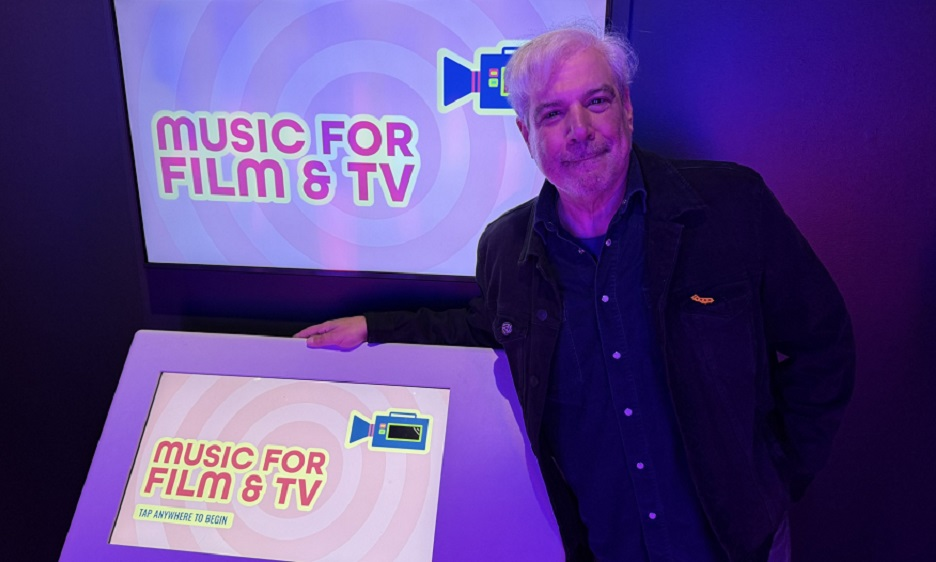

An artist can pitch me but they should do their homework to try to find what projects I’m working on and what type of music is appropriate to send.
—Gary Calamar
Music supervisors sit at the crossroads of art and logistics. They search for songs, work with composers and artists, negotiate licenses, and help shape the musical identity of a film or series. When it works well, their choices become inseparable from the scenes.
Few supervisors have done this more effectively than Gary Calamar. Over the years, he has helped craft the sound of numerous films and television series, placing everything from classic tracks to lesser-known gems that suddenly find new life on screen.
For independent musicians, supervisors like Calamar can also represent an important gateway into the world of sync licensing—an avenue that has become increasingly important as artists search for new ways to monetize their work and sustain their careers.
To learn more about how music finds its way onto the screen, I spoke with Mr. Calamar about his work as a music supervisor, how he discovers new artists, and what musicians should understand about the process of getting their music placed in film and television.
About Gary Calamar
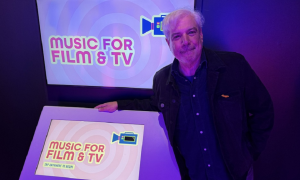
Gary Calamar, president of Go Music, is a five-time Grammy-nominated producer and music supervisor and a two—time recipient of the Guild of Music Supervisors Award for Best Music Supervision for Television. He has overseen the music on some of the most acclaimed and popular shows on television, including True Blood, Six Feet Under, Dexter, Entourage, Weeds, House, and The Man In The High Castle. Calamar has also served as music supervisor on the films Carrie Pilby, Slums of Beverly Hills, I Love You Philip Morris, and Varsity Blues, for which he received a gold record for the soundtrack. Gary's current television projects include 3 Body Problem (Netflix).Calamar is also a veteran radio DJ currently heard on 88.5 The SoCal Sound and the co-author of Record Store Days: From Vinyl to Digital and Back Again. A songwriter as well, he co-wrote the song "Let's Boot and Rally," performed by Iggy Pop and Bethany Cosentino (Best Coast), which Rolling Stone named one of Iggy Pop's all-time best collaborations.
All About Jazz: What is your background, and how did you get into Music Supervision?
Gary Calamar: My background is as a big music fan. My career really started in February of 1964 seeing The Beatles on TV. I wanted to be a Beatle or if I couldn't be a Beatle I wanted to play therm on the radio. From then on I was hooked. Listening to my transistor radio, visiting record stores, going to concerts... When I started working at KCRW there were a couple of my fellow DJ's who were music supervisors. I looked into it and thought I want to be a music supervisor too as I love music and TV and film and how they work together to enhance a scene. I was lucky to meet G. Marq Roswell who was a very experienced music supervisor and he took me under his wing and showed me the ropes. We worked on Slums Of Beverly Hills and Varsity Blues together and I learned a lot on this projects.
AAJ: What does a typical week look like for you?
GC: It depends. Reading scripts. Reaching out to record labels and publishers to clear music and negotiate fees. Putting together playlists for the editors and show runners to consider for a scene. And sometimes things are slower and I am waiting for the producers to finish shooting or waiting to hear what is needed as I twiddle my thumbs.
AAJ: How much creative influence are you given for a project?
GC: We have a lot of influence as we are feeding music to the editors and showrunners. But I am not making the final decision. On a tv show it's the show runner generally. But it's a big collaboration. Producers, editors, writers all have ideas that get thrown in the pot.
AAJ: What are the most common ways for you to find music?
GC: I have a radio show that I do every Sunday at The SoCal Sound in Los Angeles. So I am always looking for new music to play on the show. Every Friday I go through the new releases on Spotify and Tidal and see what's new and interesting. I read the blogs and the music press. And record labels and publishers are always pitching new music to me.
AAJ: When choosing music, what matters most: vibe? Lyrics? Budget? Ease of clearance? Or something else?
GC: I think it's case by case. Some shows don't want the lyrics to be too "on the nose:" and some do to add to the scene. Budget is always something to think about. To me a show's budget is like a puzzle. If you are going to use a major label, well known song in one scene you'll probably need to go with an up and coming indie artists or library music for other scenes. Ease of clearance is never a factor. I always do everythiong I can to clear a song.
AAJ: Can artists pitch you directly? If so, what separates an effective pitch from one that gets ignored?
GC: It's tough. An artist can pitch me but they should do their homework to try to find what projects I'm working on and what type of music is appropriate to send. This can be hard to know. The artist should be respectful of the music supervisors time and to understand if we don't always get back to you to review your work. I am a songwriter and singer myself and I feel your pain.
AAJ: When does jazz (or instrumental music) work well on screen?
GC: I must admit I am not a big jazz guy I think Steely Dan is the closest I get to jazz on my personal playlist. Sorry to your audience : ) It depends on the project. It seems like jazz was big on tv shows back in the 1960's detective type shows: Peter Gunn, Route 66, M Squad. I believe the current show Bosch uses a lot of Jazz.
AAJ: Beyond the music itself, what makes a track truly sync-ready (one-stop clearance, sound quality, metadata)?
GC: Yes, to all of those things
AAJ: How has AI changed the landscape?
GC: I have not had to deal with AI in any of my projects as of yet, but I'm sure its will be a factor in the near future.
AAJ: What do you wish musicians understood about your job?
GC: That it's impossible to review all of the music that is sent to me and to give a response. Most music supervisors are working freelance and we are also hustling for our next gig. They should understand about their job that getting a good sync is very challenging. You are competing with so many songs and artists and there are several layers of approvals on our end. Try to spread the word on your music via press, radio, live concerts, social media. Follow your artistic path and write and record music that is exciting and meaningful to you and hopefully it will resonate with others.
AAJ: What are your favorite syncs that you have been involved in?
GC: There are several favorites that come to mind. The one that stands out the most is "Breathe Me" by Sia for the final scene in the finale of the beloved series Six Feet Under.
The show, which I did with co—music supervisor Thomas Golubic, was a great step forward and learning experience for me and working with showrunners Alan Ball and Alan Poul was extremely rewarding. The show followed a dysfunctional family who owned a private funeral home. Each episode would begin with a random death and we would follow the arrangements for the funeral and how it affected the main characters. In the final scene in the series finale Claire, the daughter and youngest child of the Fisher family, is driving away from her family to start a new chapter in her life. As she is driving we flash forward and see how the main characters pass away in the future. It is a beautiful and moving scene.
Alan Ball had given me a rough rundown of what was going on in this scene and wanted song ideas. The song that was chosen was Sia's "Breathe Me" which I loved and had been playing on my radio show at KCRW. Sia was relatively unknown at the time but I was aware of her as she was a guest vocalist on a cd by the band Zero 7.
The scene and the song are very emotional and dreamlike and worked beautifully as we weave around Claire driving and and the flash forward. There was a problem in that the song was too short but our editor, Michael Ruscio seamlessly extended it to match the picture. It was a beautiful ending to a brilliant show. I say the stars were aligned for all of this coming together.
AAJ: Tell me about your songwriting and recording career ?
GC: Thanks for asking. Ever since I was a kid I would always make up little songs that popped into my head. As I grew up I would play my guitar and play songs in my bedroom but I never imagined I would take it much further. At one point, I was managing a band who was playing a birthday party and the birthday girl asked the band to play Bruce Springsteen's "Hungry Heart" for her which was a hit at the time. The band were not big Springsteen fans and were reluctant to do it. I was a a big Bruce fan and I said I'll sing it and they said OK. It felt terrific to be singing in front of this small crowd and I decided to get more serious with my songwriting and perhaps some small performances.
While working with Atlantic Records on a Six Feet Under soundtrack I played them some of my songs and they liked them. They gave me some money to record an EP, which was called You Are What You Listen To. I will say it did not sell nearly as well as my labelmates Led Zeppelin, but it started to get some attention from press and radio. Since then I have released several singles which are available on the streamers and I have an album coming out later in the year.
A career highlight for me was co-writing a song that was recorded by Iggy Pop and was used in Six Feet Under. I urge your readers to check out some of my songs, They ain't jazz but they are pretty good.
Tags
Comments

About Steely Dan
Instrument: Band / ensemble / orchestra
Related Articles | Concerts | Albums | Photos | Similar ToPREVIOUS / NEXT

Support All About Jazz
 All About Jazz has been a pillar of jazz since 1995, championing it as an art form and, more importantly, supporting the musicians who make it. Our enduring commitment has made "AAJ" one of the most culturally important websites of its kind, read by hundreds of thousands of fans, musicians and industry figures every month.