Home » Jazz Articles » Top Ten List » The Infinite Groove: Top 10 Classic Jazz Marathons
The Infinite Groove: Top 10 Classic Jazz Marathons

While the "3-minute single" was the rule for radio, the jazz world of the mid-20th century operated on a different internal clock. With the arrival of the Long Play (LP) record, jazz musicians finally had the "room" to let their ideas breathe. This era gave birth to the extended jam, often referred to as a "blowing session," where the primary goal was to capture the spontaneous telepathy of a group of virtuosos. These tracks weren't just about technical displays; they were about narrative. A great jazz soloist tells a story, building tension over several minutes before finding a resolution.
In this collection, we move from the smoky, "Chitlin' Circuit" soul of the Hammond B3 organ to the avant-garde fringes of the spiritual jazz movement. These selections represent the summit of jazz improvisation—tracks that demand you settle into a chair, perhaps dim the lights, and simply follow the notes wherever they lead. Whether it's a 20-minute blues workout or a radical reimagining of a Broadway standard, these ten masterpieces prove that in jazz, the journey is always more important than the destination.
 "The Sermon" by Jimmy Smith
Album: The Sermon! (1959)
Record Label: Blue Note Records
Song Length: 20:12
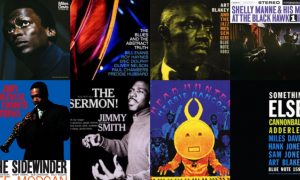
The gold standard of Soul Jazz. This side-long title track is a slow-burning, gospel-infused blues workout that defines the Blue Note sound. Jimmy Smith's Hammond B3 organ provides the grease, while icons like Lee Morgan (trumpet) and Kenny Burrell (guitar) take turns at the "pulpit." It is a masterclass in building a groove with such infectious "pocket" that the twenty minutes feels like five.
 "Summertime" by Shelly Manne
Album: Shelly Manne & His Men at the Black Hawk 1 (1955)
Record Label: Contemporary Records
Song Length: 11:59
Shelly Manne was a pioneer of the "West Coast" sound, and his reimagining of this Gershwin standard is a revelation in atmosphere. Eschewing the typical ballad approach, the trio (featuring André Previn) stretches the melody into an expansive, mid-tempo exploration. Manne's drumming is incredibly melodic, using the kit to accent Previn's fluid piano runs in a way that feels like a private conversation.
 "In a Silent Way / It's About That Time" by Miles Davis
Album: In a Silent Way (1969)
Record Label: Columbia Records
Song Length: 19:52
This track marks the birth of jazz-fusion. Miles Davis moved away from the complexity of post-bop toward a serene, minimalist aesthetic. The first half is a shimmering, ethereal wash of electric pianos and Joe Zawinul's organ, creating a "silent" landscape before the band enters a steady, clicking groove for "It's About That Time." It is a masterpiece of mood and editing that rewards deep, focused listening.
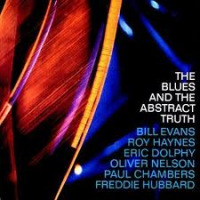 "Stolen Moments" by Oliver Nelson
Album: The Blues and the Abstract Truth (1961)
Record Label: Impulse! Records
Song Length: 08:45 (Note: Live and expanded versions frequently run 15+ minutes)
Often cited as one of the most beautiful "minor blues" compositions ever written. The studio version is a masterclass in horn arrangement, featuring Freddie Hubbard and Eric Dolphy. It carries a cool, intellectual elegance that belies its deep emotional soul. In an extended format, the solos unfurl with a geometric logic that is both complex and profoundly satisfying.
 "My Favorite Things" by John Coltrane
Album: My Favorite Things (1961)
Record Label: Atlantic Records
Song Length: 13:41
Coltrane took a sugary Broadway tune and turned it into a hypnotic, modal incantation. This track famously reintroduced the soprano saxophone to jazz. Instead of cycling through standard chord changes, the band locks into a two-chord vamp, allowing Coltrane to soar into increasingly complex scales. It is the bridge between hard bop and the spiritual jazz that would define his later career.
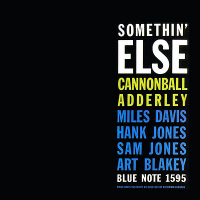 "Autumn Leaves" by Cannonball Adderley
Album: Somethin' Else (1958)
Record Label: Blue Note Records
Song Length: 10:55
Though technically an Adderley record, this is famously the session where Miles Davis took a rare sideman role. This version of the standard is definitive for its mood—cool, detached, and deeply cinematic. The track moves at a deliberate pace, allowing Miles' Harmon-muted trumpet to paint a portrait of melancholy before Adderley's exuberant alto sax provides a warm, soulful contrast.
 "The Sidewinder" by Lee Morgan
Album: The Sidewinder (1964)
Record Label: Blue Note Records
Song Length: 10:25
The ultimate "boogaloo" jazz epic. While it became a surprise radio hit in a shortened form, the full album version is a masterclass in the funky, blues-based Hard Bop that defined 1960s Blue Note. Lee Morgan's trumpet is sharp and swaggering, backed by Joe Henderson's gritty tenor sax. The song captures a perfect, strutting urban energy that remains infectious for its entire duration.
 "Chameleon" by Herbie Hancock
Album: Head Hunters (1973)
Record Label: Columbia Records
Song Length: 15:41
The ultimate Fusion marathon. Built on one of the most recognizable synthesizer bass lines in history (played on an ARP Odyssey), "Chameleon" is a 15-minute journey through the funkier side of jazz. It represents the moment jazz fully embraced the technology of the '70s, moving through sections of straight funk, spacey ambient textures, and high-speed bebop-influenced solos.
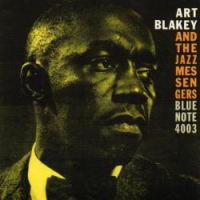 "Moanin'" (Live) by Art Blakey & The Jazz Messengers
Album: Art Blakey and the Jazz Messengers / Moanin' (1959)
Record Label: Blue Note Records
Song Length: 9:35
The studio version was a hit, but the extended live versions of Bobby Timmons' "Moanin'" capture the true "thunder" of Art Blakey. This is "Call and Response" jazz at its finest. The track is an anthem of the Hard Bop movement, blending the grit of the blues with the sophistication of modern jazz, all driven by Blakey's legendary, explosive press rolls.
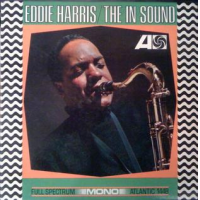 "Freedom Jazz Dance" by Eddie Harris
Album: The In Sound (1965)
Record Label: Atlantic Records
Song Length: 09:45+ (Live versions often 12:00+)
Eddie Harris was an innovator who famously played the "electric saxophone." "Freedom Jazz Dance" is built on a jagged, non-linear interval riff that sounds modern even by today's standards. It is a rhythmic puzzle that Harris and his band solve in real-time, creating a tense, driving experience that pushed jazz into more abstract territory.
Tags
Top Ten List
Jimmy Smith
Michael Ricci
Jazz Marathons
Shelly Manne
Miles Davis
John Coltrane
Eddie Harris
Art Blakey
Art Blakey And The Jazz Messengers
Oliver Nelson
lee morgan
Herbie Hancock
Cannonball Adderley
Comments

PREVIOUS / NEXT
Support All About Jazz
 All About Jazz has been a pillar of jazz since 1995, championing it as an art form and, more importantly, supporting the musicians who make it. Our enduring commitment has made "AAJ" one of the most culturally important websites of its kind, read by hundreds of thousands of fans, musicians and industry figures every month.