Home » Jazz Musicians » Masa Ishikawa Discography
Migration
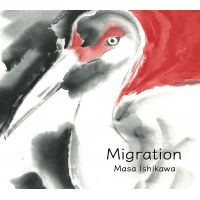
Masa Ishikawa
Label: Self Produced
Released: 2026
Duration: 55:50
Views: 150
Tracks
At Twilight -improvisation #1-; When A Cardinal Sings; Oni Mai (dance of ogres); A Song For Tumblebugs - improvisation #2- ; Higurashi (evening cicadas); Migration; Hotaru (fireflies)
Personnel

Masa Ishikawa
pianoDavid Pope
saxophoneAdam Larrabee
guitarSam Suggs
bass
Emre Kartari
drumsWanchi Huang
violinElise Donley
saxophoneEvan Bertoglio
saxophoneAdditional Personnel / Information
Tom Carr: Audio Engineering Bokuzen Matsugi: Album Artwork
Album Description
Migration is Masa Ishikawa’s fourth original studio album, and it consists of seven original compositions written for various instruments. The theme of this album is “critters”; each song is inspired by a specific type of living creature. Through our daily lives, I often realize how much we, human beings, depend on other living things for our existence. I created this album to express my gratitude and respect for all these creatures. The musical styles in this album widely range from free improvisation, classical/chamber, to straight ahead and modern jazz.
At Twilight -improvisation #1- (2:42)
"Twilight" refers to the period of time just before sunrise and after sunset. Many critters, such as deer, rabbits, owls and many more, are active during this twilight period to protect themselves from predators that are more active during the day or night. This short solo piano piece portrays the atmosphere of twilight, with its quiet stillness, and the creatures that inhabit it.
When A Cardinal Sings (10:10)
I composed this piece during the summer of 2022 while staying at an artist's residency in Nebraska City. Outside the music studio where I was composing, there was a large tree and a cardinal bird often perched there. I developed a fondness for that bird because its song sounded the same every day, which I predicted that the same cardinal kept visiting. In Western culture, the cardinal is a symbol of new hope and beginnings. They are also believed to be spiritual messengers, which deliver messages from departed loved ones.
Oni Mai (dance of ogres) (7:03)
This is a re-recording of a track originally included on my first album,"Dialogue," released in 2019. This version features the soprano saxophone playing the main melody, replacing the vibraphone from the original recording. While "Oni" (demons) are mythical creatures, there are many folk tales and legends about them in Japanese culture. This
piece was composed with the image of a kind, yet somewhat clumsy, "Oni" visiting homes and dancing with the people.
A Song For Tumblebugs -improvisation #2- (2:34)
This is a short piano solo piece inspired by the tumblebugs (dung beetles.) In ancient Egypt, where the sun was worshiped as god, the tumblebugs were considered a sacred creature because they were believed to create new life from an ended product ( i.e., animal waste). This piece aims to express the endearing image of the tumblebugs diligently rolling their dung balls with their tiny legs. It is also beyond inspiring to know that they can sense and use multiple forms of light, including the sun, moon, and even starlight from the Milky Way, to navigate their ways home.
Higurashi (evening cicadas) (13:00)
The sound of Higurashi (evening cicada) at dusk during summer, and the scenery of the sun setting, are among my most unforgettable memories from my childhood. I would play with my friends outside of a temple near my house in Fukushima (Japan). We would start hearing the sound of cicada, which made us aware that it was time to go home. The cicada sounds recorded at the end of this piece were the one I recorded on Mount Iimori in Aizuwakamatsu City, Fukushima Prefecture in summer 2025. When I heard this sound, it made feel nostalgic, reminiscing about my childhood.
Migration (10:50)
The Platte River in Nebraska, located in the Midwestern United States, is famous as a migration stopover for the greater sandhill crane. Every year, from March to April, over 500,000 cranes—approximately 80% of the world's entire population—migrate from northern Mexico and Texas to the Platte River. They rest there for about four weeks, gathering nourishment from the surrounding cornfields, before continuing their journey north to their breeding grounds in Canada and Siberia. I visited the Platte River in March 2015 and had the opportunity to witness the cacophony of cranes firsthand. The sound of their calls echoing across the river, and the sight of the cranes resting on the riverbank at sunset, was truly breathtaking and indescribable. Based on this experience, my composition "Migration" reflects my thoughts on the beauty and harshness of nature that the cranes encounter along their long migration route, a journey they have repeated for millennia. The migration of the cranes to the Platte River attracts many visitors each year, but at the same time, rapid residential development in recent years has drastically reduced the habitat for the cranes and other wildlife along the river. Communicating this current situation through music was also one of the reasons why I composed this piece.
Hotaru (fireflies) (9:30)
In Lincoln, Nebraska, where I lived from 2012 to 2016, fireflies would start appearing around the beginning of July. Emerging in the twilight of summer evenings, their soft, flickering lights had a certain melancholic yet ethereal beauty. During my time in Lincoln, I would ride my bicycle to school, passing through a trail, called Billy Wolff trail. I particularly enjoyed my bike ride along this trail in the fall. For some strange reason, I would often imagine countless fireflies emerging, illuminating the trail in the autumn season.
Album uploaded by Masayoshi Ishikawa
Tags
PREVIOUS / NEXT
Comments
More Albums
Recordings: As Leader | As Sideperson