Home » Jazz Articles » The Jazz Life » A House Full of History with Leslie Blackshear Smith in ...
A House Full of History with Leslie Blackshear Smith in New Orleans
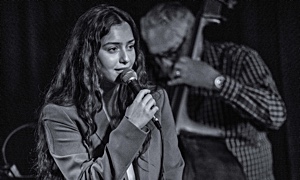
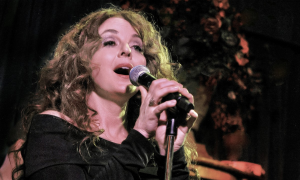
Courtesy Thomas Cole

Few historians may choose to frame the origins of New Orleans music strictly in terms of skin color and social stratification. But as a way of thinking about it —as a kind of lived, intuitive theory—it feels plausible that these overlapping worlds, divided yet in constant proximity, helped create what we now know as jazz.
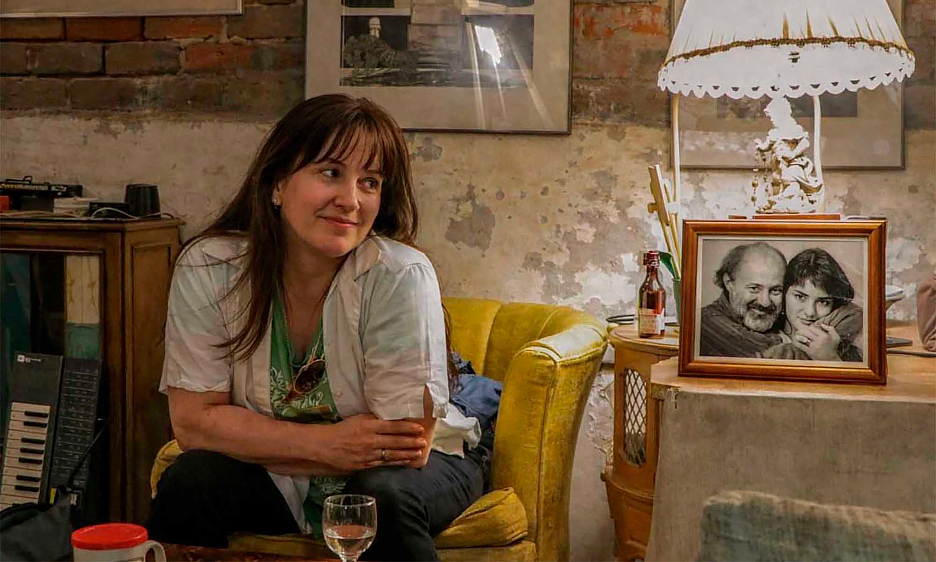
Daughter of Michael P. Smith, the preeminent photographer, he befriended the musicians in town, rather than hiding behind the lens. The intimacy of his photos reveals a close relationship not only with his camera, but the personalities behind the sound of a city heard throughout the world.
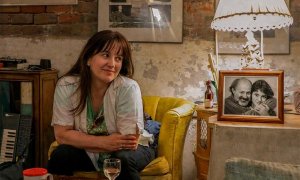
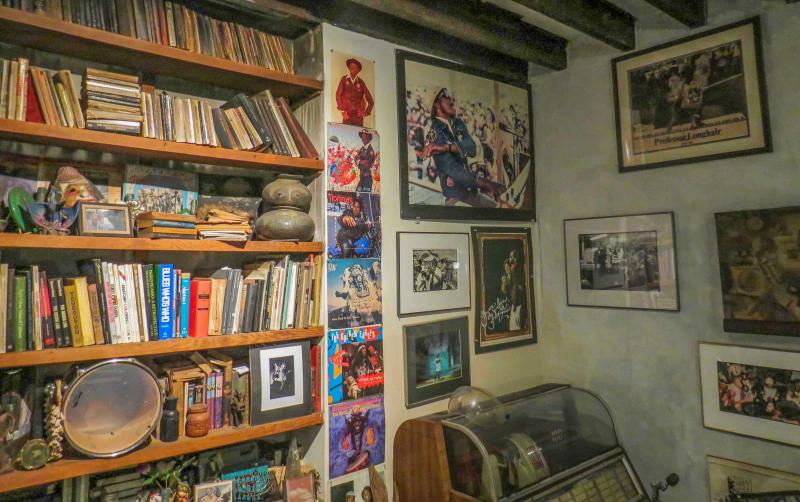
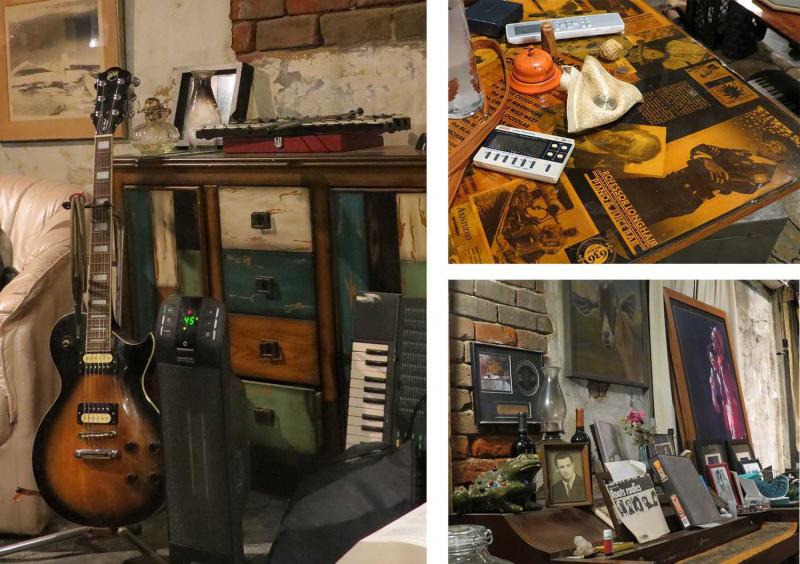
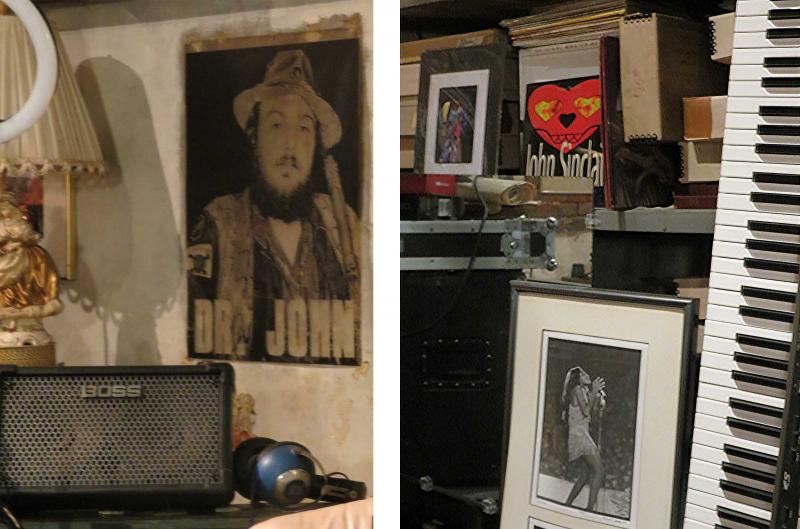
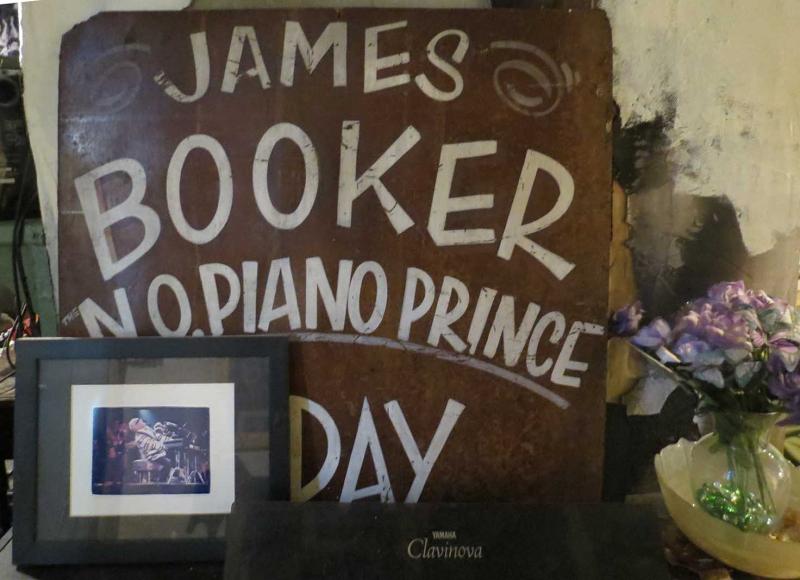
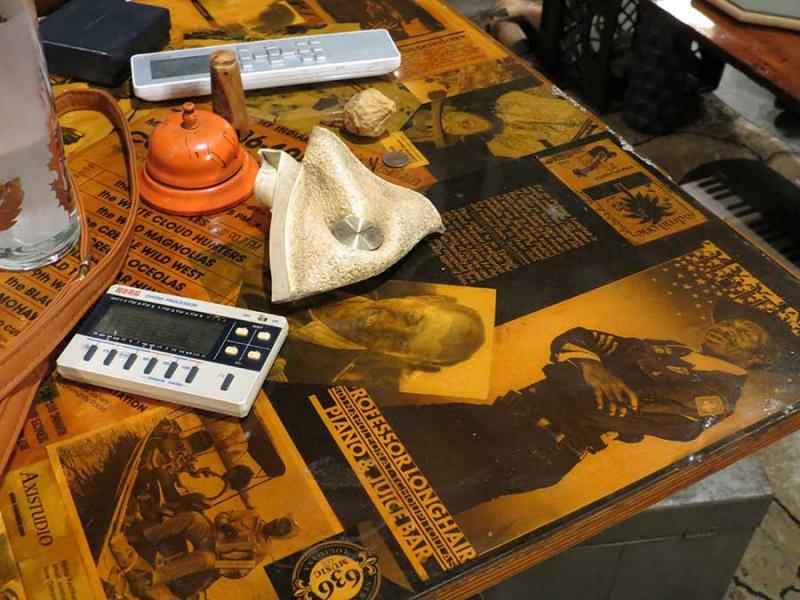
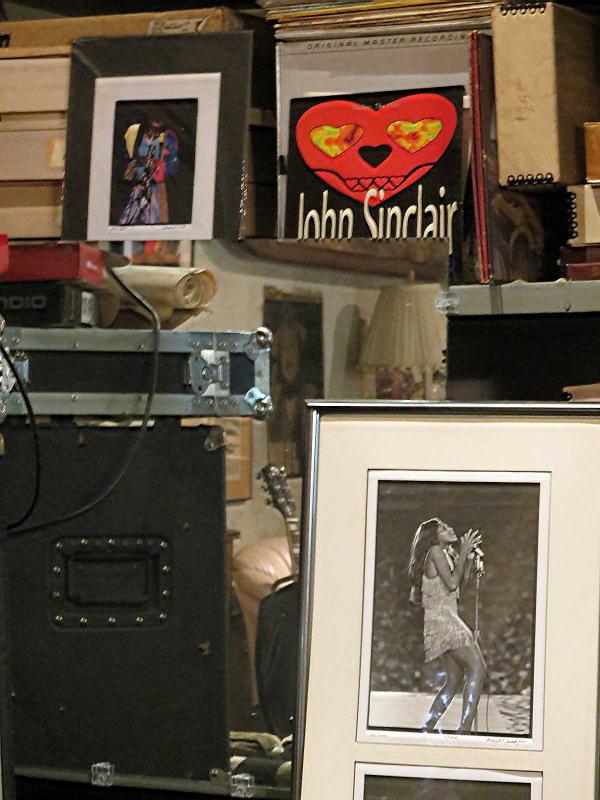
Her place? A seemingly random series of rambling rooms surrounding a covered, somewhat chaotic cement patio and a rather full garden—browning banana trees in one corner wilted by a historic winter cold snap with patches of cultivated beds bearing flowers or vegetables—her father's house inherited upon his death in 2008. Wandering through it all, it is unclear how much has changed in the past 25 years. Photographs, concert posters, musical instruments—the three or four electric keyboards must be hers—but the full drum set, sleek shiny guitars leaning against amplifiers, the overflow of memorabilia and more?
With evocative memories, not only those captured by her father's camera, they spill out with little prompting. Referring to him as "Mike" rather than "Dad," barely concealed allusions to the not uncommon family dysfunction surface. Expressing her love for him by living within and maintaining a virtual monument to his life—with little prompting and no resentment reveals "he was a shitty father" though and recalls his response upon hearing that— "I couldn't have been so bad considering how you turned out!"
With boundless energy to create music, dream of new projects and tirelessly help others realize theirs, the usual themes of lost love and contemporary 21st century social issues weigh heavily on her mind, as her music resonates with both hurt and hope while reflecting the town where it was all composed and recorded—New Orleans.
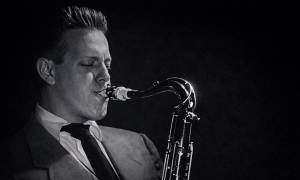
A 2016 record, "How Love Works," includes a collaboration with George Porter, Jr. as well as talented vocalist Erica Falls—both of whom are in demand around a music town fueled by the music industry and tourist dollar. Other collaborators included Jon Cleary (keyboard), Shane Theriot (guitar), drummers Alvin Ford and Bobby Economo, June Yamagishi (on guitar), Donald Ramsey (bass), the lauded Nicholas Payton (trumpet), David Torkanowsky (keyboard), while Jolinda "Kiki" Chapman (Topsy Chapman's daughter) fills in on some back up vocals. Tim Green Saxophone was featured on sax as well, though he never completed the recording. Ill and tired but wanting to continue, she insisted on feeding him instead; he died a few weeks later. "But I don't regret making dumplings for him instead of working, he was such a giving man."
Listen to that album, you'd swear that girl pouring her heart and soul out on that vinyl disc is black. And must be well known outside New Orleans. But she's neither though "It was the first album where I felt I sounded like myself." Color of her skin, be damned, while belting it out on street corners scattered throughout the Quarter, nearby club owners often invited her in off the streets to sing on their stages. But she refused, preferring to work for herself rather than a local mob-controlled club or, worse yet as Bourbon St. has evolved, a soulless corporate entity.
Still, perhaps, her talents shine best in collaborations with the city's finest and has sung back up with such luminaries as Tim Green Saxophone on his final album released posthumously and shared the renowned drummer Herman Ernest with him. Never short on local recognition, she was enlisted to sing both back up and lead with Allen Toussaint and worked with Coco Robicheaux, Aaron Neville ,Ellis Marsalis . Both she and Irma Thomas , the Soul Queen of New Orleans, sang on a compilation album featuring among others Aaron Neville, Irma Thomas , along with Toussaint and has appeared at benefit concerts around town with Irma. And she's received credits for writing songs with Cyrille Neville and Ivan Neville among others, with contributions to other's efforts left unacknowledged. All leaving one to wonder why and how her name remains a mystery to many music fans.
Speaking of encounters, conflict and collaboration with the likes of Zigaboo Modeliste of Meters fame, Kirk Joseph who lost the only copy of a master recording they made together, but forgave him (it was later found) and the late Ellis Marsalis, she still composes lyrics and, without warning, spontaneously breaks into song in the middle of conversation. Whether a declaration of unrequited love, or a sobering protest song, as scattered as she occasionally appears,, she pays close attention to everything.
One might guess she broke the mold at birth but holds no exclusive claim to that distinction; she believes everyone did the same. But few are quite as disarmingly honest about their shortcomings and, with uncommon candor, everyone else's too. As a young woman once described by New Orleans drummer, Johnny Vidacovich , as a fox—he says "she invented the word, fox."—every guy chased her but as happens too often, her world blew up after marrying the wrong guy, a soon-to-be author of a self-help book who fathered her two children. But upon reciting a passage from that book during a domestic argument, he retorted, "Are you mocking me?" Defiantly she responded, "No, I'm quoting you." Recalling the tumultuous, at times physically abusive, relationship, she raised her two kids well and remains close with both.
As a born and raised New Orleanian, aside from her own special place in the history of New Orleans music as the daughter of someone who dedicated his life to documenting it, she has a unique take on local lore and the history of why and how the music from New Orleans sounds like it does and the genesis of jazz.
In her words, "Once a prominent colony of France, its history has often seemed to understate the full extent of its relationship with the Black population—both broadly and in regard to the slave trade in Louisiana. New Orleans, an affluent port city, was among the wealthiest in the mid-19th-century South, its economy deeply tied to the cotton trade that helped fuel the Confederacy.
Within that world, relationships between French and Creole cultures and people of African descent were complex and, at times, more layered than in other parts of the South. Some French and Creole men formed lasting relationships with women of color, and in certain cases their children were acknowledged and educated—occasionally even sent to France, where they were exposed not only to academics but to European classical music. Free people of color were acknowledged, were legitimate children of French property owners without social restrictions before the 'black act' was passed. There was a lot of money involved that everybody wanted, and it ended with a law in Louisiana that if you were 1/32 black, you were legally black.
After that, banned from performing in familiar venues, suddenly grouped with an entirely separate social class (from their perspective) a generation of classically trained, educated, well-travelled, fluent French speaking young men were forced to face a shocking new reality of being grouped into a sea of color—like a Parisian dropped into a West African village and told this is where they belonged—forced to integrate into a disadvantaged, uneducated 'black community' of manual laborers to survive. I bet they were angry too and likely had never considered what it was like to be 'outside' of their 'privileged status'.
If you think about it, many of the players here in town—like Sidney Bechet, John Boutte, Allen Toussaint, Ernie K-Doe, Zigaboo Modeliste , the Battiste family and Chris Severin—carry French surnames, and many came out of Uptown neighborhoods, playing a music that, at least at one point, felt distinct from what was happening among a darker skinned, less affluent downtown community. There, descendants of enslaved Africans—many with cultural memories rooted in West African rhythm and communal traditions—sustained their own powerful musical expressions, a music intimately involved with ceremony, celebration, and remembrance of departed elders. The divide—social as much as musical—was real.
So what happens if you imagine an Uptown classically trained, lighter-skinned Creole musician—someone fluent in Johann Bach and Frédéric Chopin—finding fewer places to play as social lines harden? What happens when those musicians, increasingly shut out of certain spaces, begin adapting—listening to, absorbing, and blending their training with the sound of music heard throughout the downtown area?
And on the other side, what happened when Black musicians, often barred from white establishments, were equally curious about what those Uptown musicians were doing—playing something very different and finding ways to respond? From that tension, curiosity, and gradual exchange of ideas, the potential to create something new took shape. Finding common ground and understanding in those forced, outrageous circumstances were the seeds of what became jazz.
Few historians may choose to frame the origins of New Orleans music strictly in terms of skin color and social stratification. But as a way of thinking about it—as a kind of lived, intuitive theory—it feels plausible that these overlapping worlds, divided yet in constant proximity, helped create what we now know as jazz.
There are people in New Orleans who preserve its history in books, in archives, in carefully catalogued collections. And then there are people like Leslie Smith who lives it.
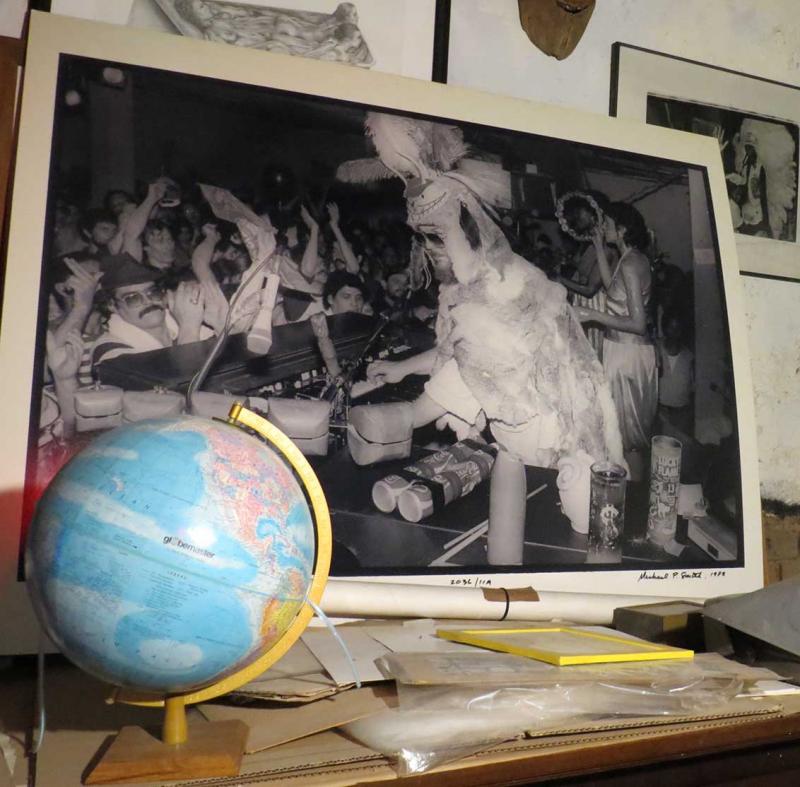
In a house filled with history in the work of Michael P. Smith—images that defined how the world views and understands the city's music—she carries on, not as a curator in the formal sense, but as one who preserves memories. She expresses herself with authority, having written a book about Jazz Fest in addition to number of essays on friends and colleagues in the music world.
But, unlike many, her authority is borne from authenticity, immediately apparent when sitting in her home, watching and carefully listening. Beyond recounting the past, she inhabits that history. While lives like hers rarely follow easy paths, she handles it well. But if New Orleans is serious about honoring its musical heritage, it might look beyond the stage lights and festivals—and recognize those who quietly hold that history together, day by day, in spaces like hers. .
Related Photos
Courtesy Thomas Cole
Courtesy Thomas Cole
Courtesy Thomas Cole
Courtesy Thomas Cole
Courtesy Thomas Cole
Courtesy Thomas Cole
Courtesy Thomas Cole
Tags
The Jazz Life
Leslie
Thomas Cole
United States
Louisiana
New Orleans
Jon Cleary
Shane Theriot
Alvin Ford
June Yamagishi
Donald Ramsey
Nicholas Payton
David Torkanowsky
Jolinda “Kiki” Chapman
Tim Green Saxophone
Dr. John
Herman Villente Ernest
Allen Toussaint
Coco Robicheaux
Aaron Neville
Ellis Marsalis
Irma Thomas
Al Hirt
Cyrille Neville
Ivan Neville
Zigaboo Modeliste
Kirk Joseph
Leslie Blackshear Smith
Johnny Vidacovich
{m: Sidney Bechet
John Boutte
Ernie K-Doe
Joseph Zigaboo Modeliste
Chris Severin
Comments
PREVIOUS / NEXT


Support All About Jazz
 All About Jazz has been a pillar of jazz since 1995, championing it as an art form and, more importantly, supporting the musicians who make it. Our enduring commitment has made "AAJ" one of the most culturally important websites of its kind, read by hundreds of thousands of fans, musicians and industry figures every month.